Nature's Palette: Choosing the Perfect Plant Combinations for Your Landscape Feb 18, 2026
Understanding the basic principles of color theory is crucial when selecting plant combinations for your landscape. Incorporate a mix of complementary colors to create a striking contrast or opt for analogous colors for a more serene and delicate effect. For instance, pairing the vivid purples of lavender with the soft yellows of rudbeckia can result in a landscape that pops with eye-catching contrast. Alternatively, using various shades of green offers an understated elegance that allows the textures of foliage to shine.
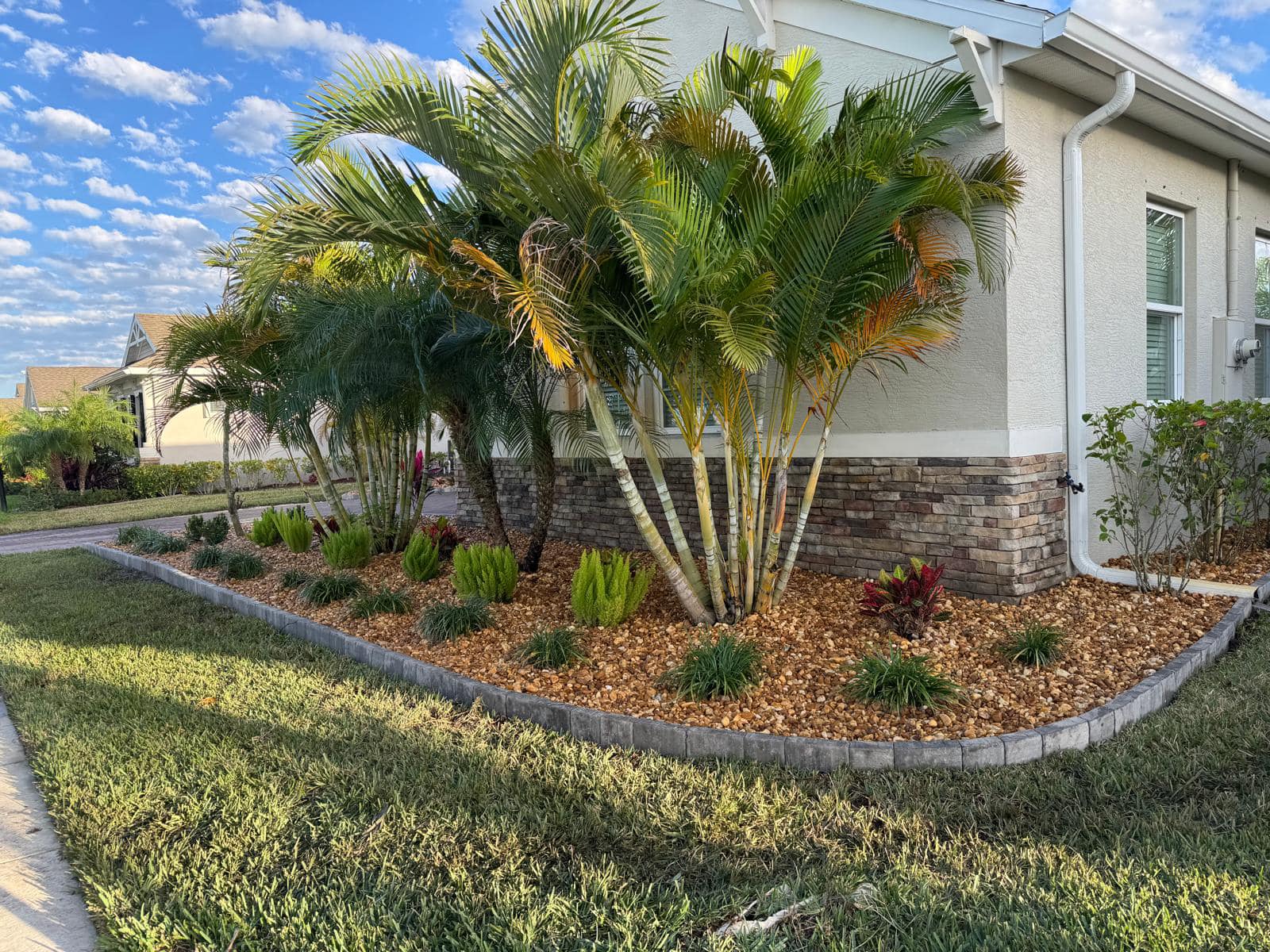
The texture of plants plays a significant role in the overall feel of a landscape. By combining plants with different leaf sizes, shapes, and growth habits, you can add depth and interest to your garden. Consider mixing the feathery foliage of ornamental grasses with the bold, broad leaves of hostas for a visually appealing texture contrast. Not only do these variations provide aesthetic appeal, but they also create a dynamic and ever-changing landscape throughout the seasons.
When planning your garden, think about the role each plant will play. Some plants will be the stars of the show, while others will serve as supporting players, framing the main attractions. Consider the height and spread of plants to ensure they complement rather than overshadow each other. Taller plants like sunflowers or ornamental grasses can be used as backdrops or focal points, while low-growing perennials such as creeping thyme can fill gaps and create a cohesive flow.
Seasonality is another crucial factor when choosing plants for your landscape. Strive for a garden that offers interest year-round by selecting plants that bloom at different times or have winter interest. For instance, pair spring-blooming daffodils with summer flowering coneflowers and autumn asters. Include evergreens to provide structure and maintain visual interest even in the dormant winter months. This thoughtful succession ensures there is never a dull moment in your garden.
Consider native plants when designing your plant combinations. Native plants are typically well-suited to local conditions, requiring less water and maintenance while providing habitat for local wildlife. The vibrant flowers of the Black-eyed Susan or the delicate blooms of echinacea not only thrive with less care but also attract pollinators like bees and butterflies, enhancing the ecological health of your garden.
Finally, while aesthetics are important, ensure that your chosen plant combinations also suit the practicalities of your site. Consider sunlight exposure, soil type, and water availability to select plants that will thrive in your garden’s specific conditions. This thoughtful and informed selection process ensures your landscape is resilient, sustainable, and easy to maintain.
In conclusion, choosing the perfect plant combinations is akin to painting with nature's palette. By understanding color, texture, form, and seasonality, you can create a landscape that resonates beauty and harmony throughout the year. At Prestige Landscape Solutions, we are committed to helping you achieve a garden that not only complements but enhances your outdoor living experience. Whether you're redesigning existing beds or starting from scratch, consider these insights to craft a landscape that truly speaks to your heart.
/filters:no_upscale()/filters:format(webp)/media/141e9e97-3771-47f5-a9be-235e508c1b01.jpeg)