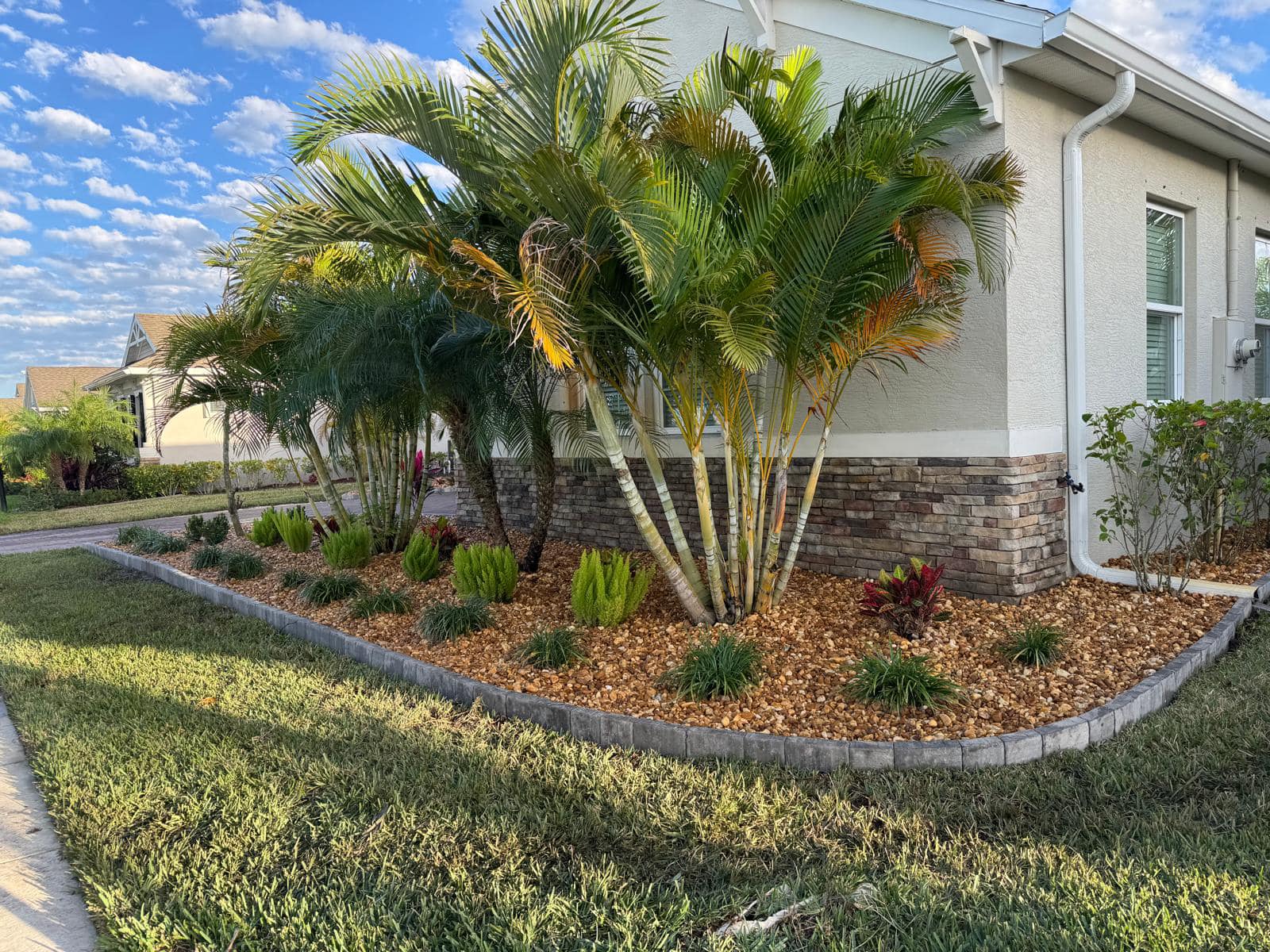
The Art of Balance: Combining Soft and Hard Elements for a Harmonious Outdoor Space Jan 30, 2026
The balance begins with recognizing the characteristics of soft and hard elements. Softscaping refers to the living components of your garden, including plants, trees, shrubs, and flowers. These elements introduce life, color, and texture, creating a dynamic and ever-changing visual spectacle. In contrast, hardscaping involves the non-living features such as patios, walkways, retaining walls, and water features. These elements add structure and practicality, serving as the backbone of your outdoor space.
To achieve a harmonious blend, it is essential to start with a well-thought-out design plan. Consider the layout of your garden and how you intend to use the space. Would you like a tranquil retreat with lush greenery? Or do you need a functional dining area surrounded by flowers? Your intended use of the space will guide the proportion and placement of hard and soft elements.
One effective strategy involves creating a focal point using hardscaping elements like a stunning fountain or a stone path that draws the eye. Enhancing these features with complementary softscaping, such as vibrant flower beds or ornamental grasses, can soften the overall appearance while maintaining a cohesive look. For instance, in a patio area, adding planters with seasonal blooms can break the monotony of stone or concrete surfaces, inviting warmth and life into the space.
Plant choice is also crucial in maintaining this balance. Selecting a mixture of evergreen and seasonal plants ensures that your garden remains attractive year-round. Consider the colors, shapes, and sizes of the plants to ensure they complement the hardscape and fit the overall theme of your garden.
Additionally, it’s important to consider the maintenance requirements of both elements. Hardscaping typically requires less maintenance than softscaping. Therefore, if you're seeking a low-maintenance garden, incorporating more hardscape might be beneficial. However, keep in mind that soft elements can offer significant ecological benefits, such as providing a habitat for wildlife and improving air quality.
When incorporating water features into your landscape, it can serve as both a soft and hard element. While the water itself is a dynamic and soothing soft element, the container or structure around it provides a hardscape component. This combination not only adds interest but also creates an oasis-like atmosphere.
Finally, consider lighting in your design. Thoughtful lighting enhances both soft and hardscapes, creating an inviting setting that can be enjoyed even after sunset. Well-placed lights can highlight architectural features and plantings, extending the usability and aesthetic appeal of your space into the evening.
In conclusion, the art of balance in landscaping is achieved through the strategic integration of soft and hard elements. By carefully planning your space and considering the interplay of colors, textures, and structures, you can create a harmonious outdoor retreat that reflects your personal style while offering functionality and beauty. At Prestige Landscape Solutions, we're here to guide you every step of the way in crafting the outdoor space of your dreams. With our expertise, your landscape will not only fulfill practical needs but will also be a stunning visual masterpiece.
/filters:no_upscale()/filters:format(webp)/media/141e9e97-3771-47f5-a9be-235e508c1b01.jpeg)